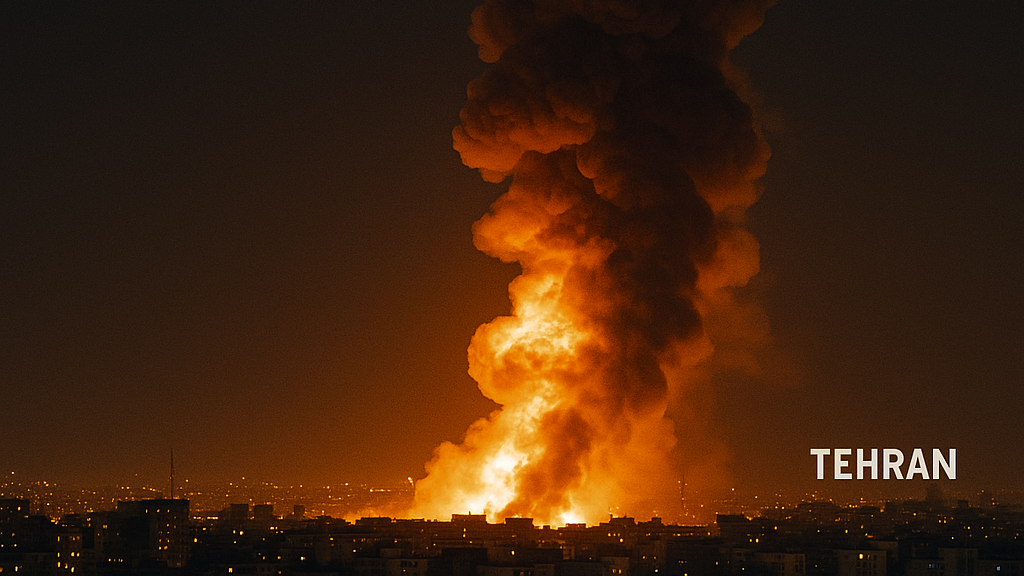
Introduction: Rising Uncertainty in West Asia
Strategic circles across the world are increasingly focused on the evolving relationship between Israel and Iran. While the region has long been marked by rivalry, recent diplomatic signals, military posturing, and intelligence assessments have contributed to growing speculation about how tensions may unfold in the coming months. Analysts emphasize that although no direct conflict is inevitable, the geopolitical environment is becoming more complex and unpredictable.
Key Areas of Focus for Analysts
1. Heightened Strategic Activity
Experts have noted increased regional surveillance, intensified rhetoric, and shifting alliances. Intelligence observations—such as satellite monitoring patterns, cyber activities, and military preparedness—have fueled discussions around strategic recalibrations on both sides.
2. Nuclear Program Concerns
International monitoring bodies have expressed concern about the pace of Iran’s nuclear activities. Analysts warn that any significant change in enrichment levels or facility expansion could prompt heated global debate and renewed diplomatic pressure.
3. Regional Proxy Dynamics
Strategists observe that non-state actors and regional partners continue to influence the Israel–Iran dynamic. Any shifts in the actions of groups in Lebanon, Syria, Iraq, or Yemen could affect the broader strategic balance.
Theories Behind Rising Speculation
Theory 1: Preventive Strategic Posturing
Some analysts believe Israel may be preparing for diplomatic or defensive measures should nuclear negotiations stall or regional threats increase.
Theory 2: Expanded Intelligence Operations
Reports suggest that intelligence services across the region have increased information‑gathering efforts. Experts view this as part of long‑term strategic planning rather than preparation for any immediate confrontation.
Theory 3: Domestic and Political Contexts
Commentators point out that political developments within both countries often influence foreign policy signals. Leadership changes, public sentiment, and legislative dynamics can shape how each nation communicates its strategic priorities.
Economic and Market Sensitivity
Even without direct conflict, global markets are highly responsive to uncertainty in West Asia.
- Oil markets react sharply to any indication of instability near the Strait of Hormuz.
- Gold and other safe‑haven assets tend to rise when geopolitical risk increases.
- Airlines and shipping routes may adjust operations based on regional advisories and diplomatic developments.
Financial analysts warn that heightened tension—even hypothetical—can trigger volatility and influence global economic outlooks.
International Community Response
Diplomatic institutions and global powers continue to call for restraint, emphasizing negotiation and stability. The UN, IAEA, and major governments regularly urge all parties to prioritize dialogue and avoid escalating rhetoric.
Possible Scenarios Discussed by Experts
| Scenario | Description |
|---|---|
| Diplomatic Re-engagement | Renewed negotiations surrounding nuclear agreements or regional de-escalation frameworks. |
| Proxy Tensions | Activity involving non-state actors that raises localised pressures without direct confrontation between Israel and Iran. |
| Cyber Posturing | Increased cyber operations used as signals of capability or deterrence. |
| Market Disruptions | Economic ripple effects arising from heightened regional speculation. |
Experts stress that these are analytical possibilities, not predictions of conflict.
Could Tensions Broaden the Regional Landscape?
While no major power anticipates a large‑scale war, analysts acknowledge that miscommunication, proxy actions, or diplomatic breakdowns can complicate regional stability. Cooperative mechanisms and backchannel communication remain essential to preventing escalation.
Summary (TL;DR)
- Experts are closely watching Israel–Iran relations due to increased strategic activity.
- Nuclear program concerns and regional alliances form the core of analytical discussions.
- Markets remain sensitive to any developments in West Asia.
- International bodies advocate dialogue and de-escalation.
- Analysts outline several possible political and economic scenarios—none of which assume inevitable conflict.
Final Thoughts
Geopolitical tensions often fluctuate, shaped by diplomacy, national security priorities, and regional dynamics. While recent signals have prompted global discussion, experts emphasize the importance of measured analysis. The coming months will likely be defined not by confrontation, but by strategic positioning, international negotiations, and efforts to maintain stability in a region vital to global security and economic health.